08 Oct Visiting Hours, or When Walls Open Up
Have you ever been to prison? If not, let’s hope it stays that way. No one needs that experience. And yet it can be an invitation when a prison opens its doors—or rather, when the walls that once surrounded criminals, crooks, thieves, or “con artists” allow other stories to be told.
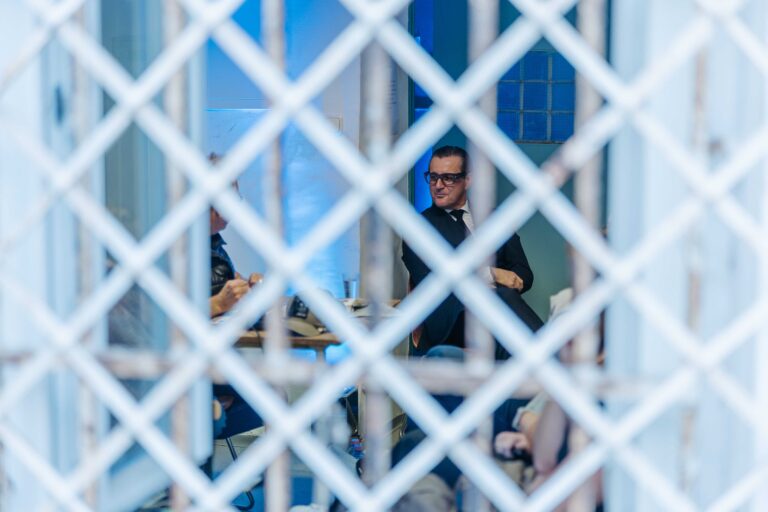
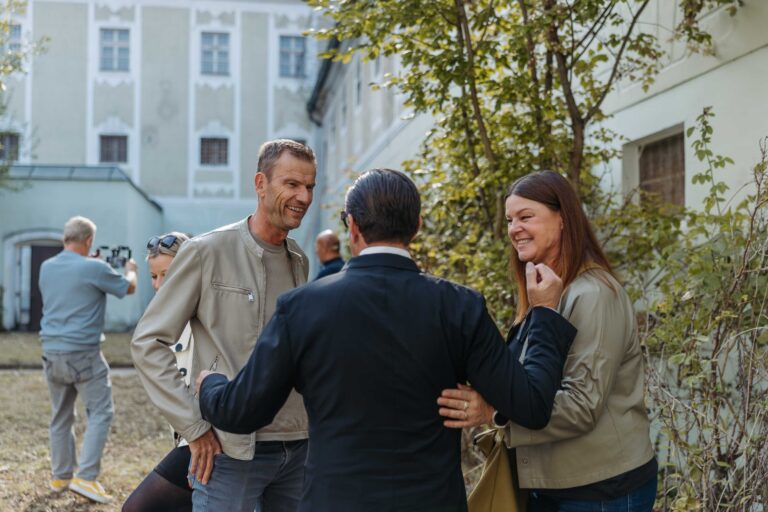
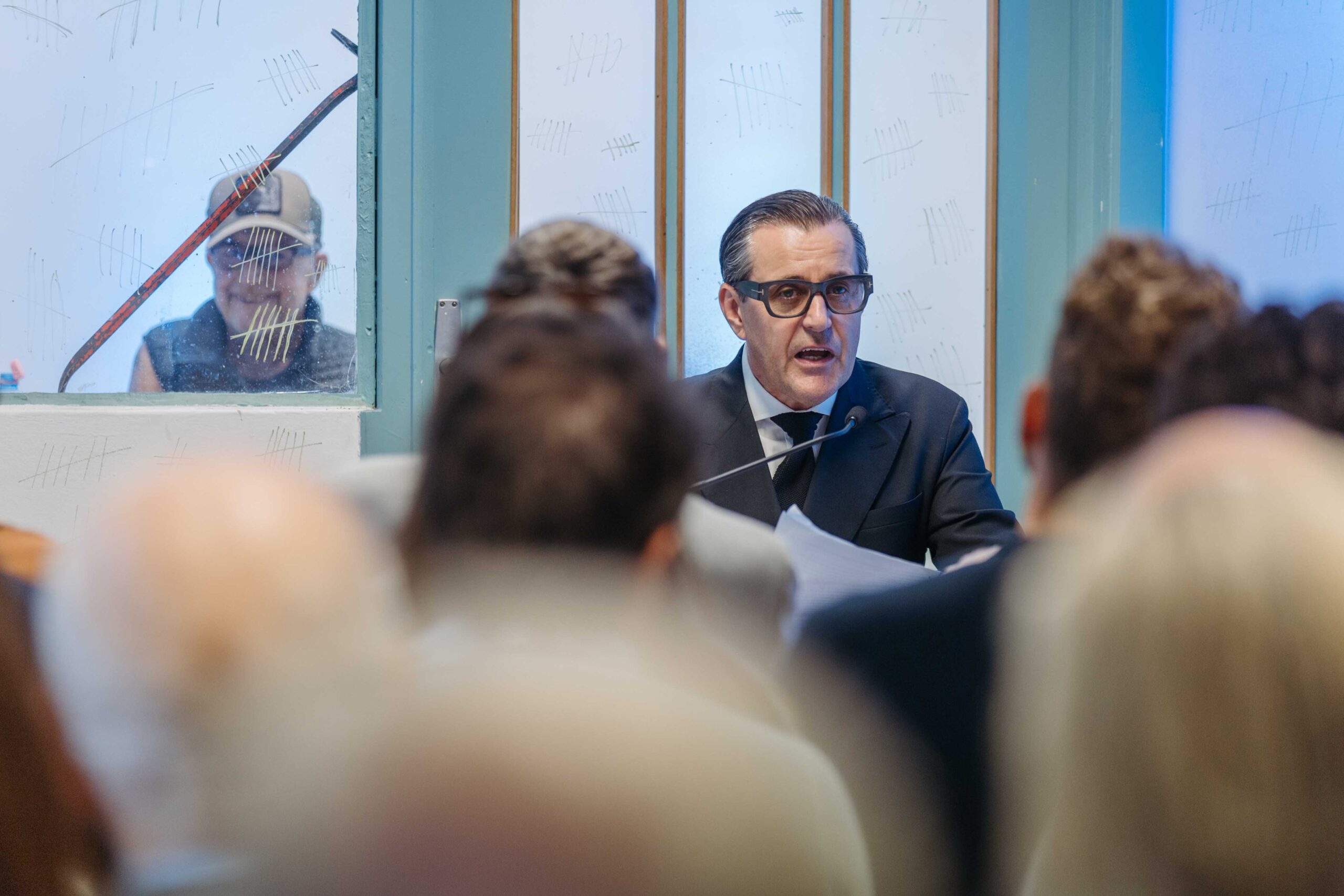
Berggasse. Steyr. You wouldn’t think it’s a great place to live, would you? After all, people who had run afoul of the law were once locked up here. The old prison is history, but the rooms remain. The bars, the small cells, the dim lighting—all of it still feels somewhat oppressive today.
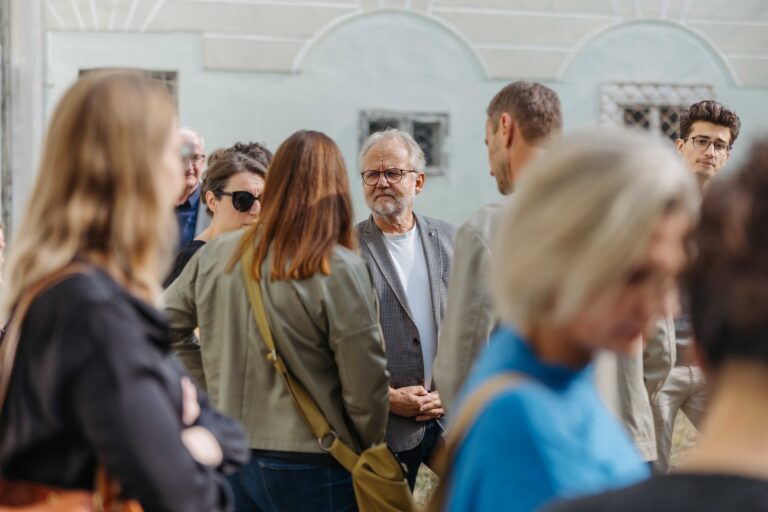
Entering these premises as a visitor is exciting because what’s on offer here isn’t designed to satisfy a craving for quick thrills. Here, you can immerse yourself without having to feel afraid. But when a door slams shut here and the key to freedom isn’t at hand, you can’t help but start to wonder. That’s when you feel the confinement of the cell—what did it do to those locked up here? What stories might they tell? What kind of people were they, waiting here to see what would happen to them next? Thoughts like these set new thoughts in motion.
Have we piqued your curiosity?
The old prison in Steyr has the potential to breathe new life into the community. It is ideally suited to serve as a space for the freedom of art, the freedom of science, the freedom of research and thought, the freedom of education, the freedom of entrepreneurship, and freedom from want and fear. The cells will become co-working spaces, and the former courtyard will be transformed into a startup incubator and, ultimately, a vibrant cultural hub.
The “Horizont” project, a collaboration between CMb and the City of Steyr, aims to develop new perspectives here to combat a sense of hopelessness. New narratives. New possibilities.
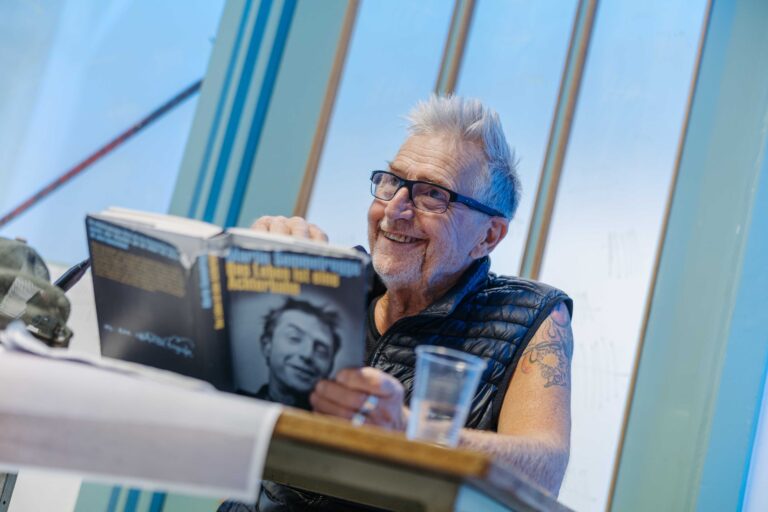
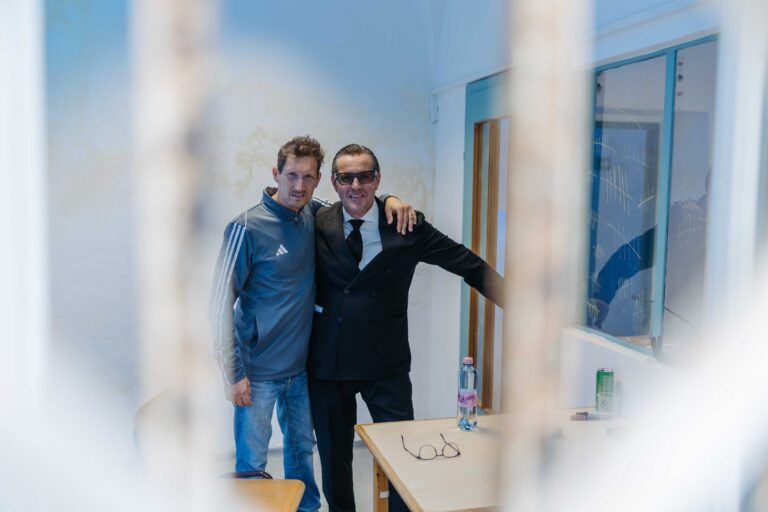
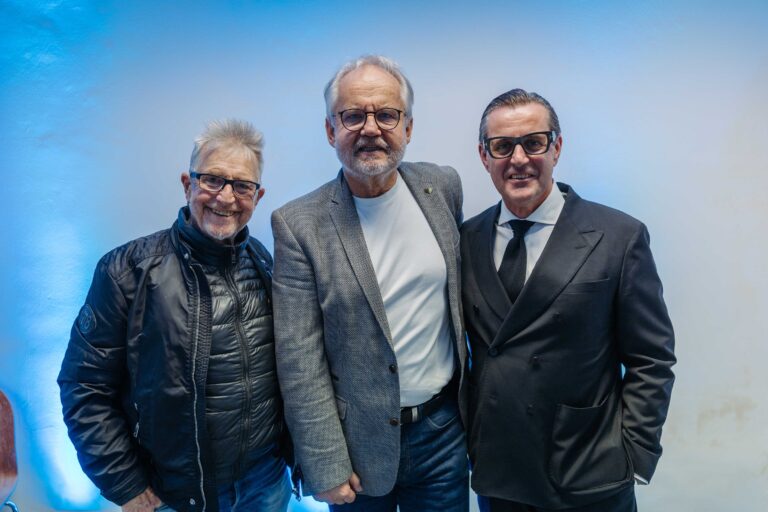
You don’t just kiss a historic place back to life. You encourage it to come alive. Best done with people—in this case, cellmates, accomplices, good-luck charms, guys like Martin Semmelrogge. A friend with a long-standing connection. A maverick in thought and in life. A cult actor who has elevated films like *Das Boot* and *Schindler’s List* with his performances. A man who, at the Theater Hausruck, became an absolute audience favorite as a villain, and who, in real life, has had his share of time behind bars. “Nothing serious,” he says, referring to it as a “short break with the government.” He didn’t do anything wrong, he says. He didn’t take anything from anyone—he just asserted his rights.
Semmelrogge celebrates life and isn’t shy about recounting what it was like back then—like the time he and a friend impulsively took his father’s car for a spin, even though, as a teenager, he shouldn’t have done so. He doesn’t sugarcoat anything. He’s been through too much for that. He’s traveled too much for that. He’s been married too many times for that.
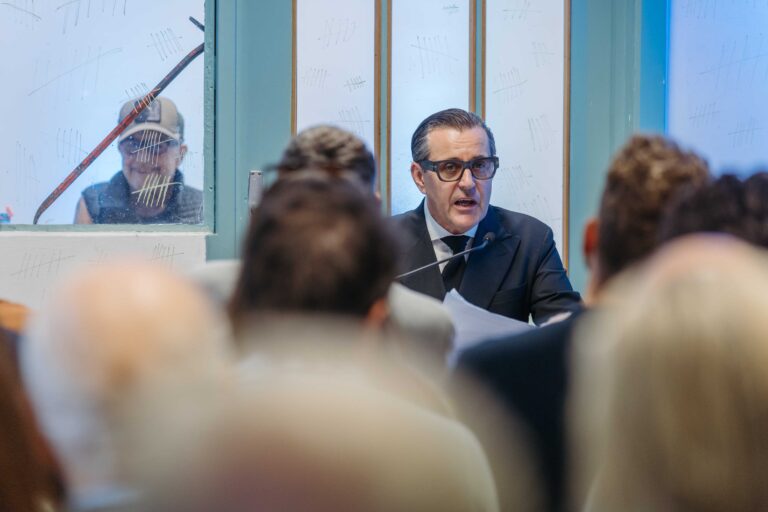
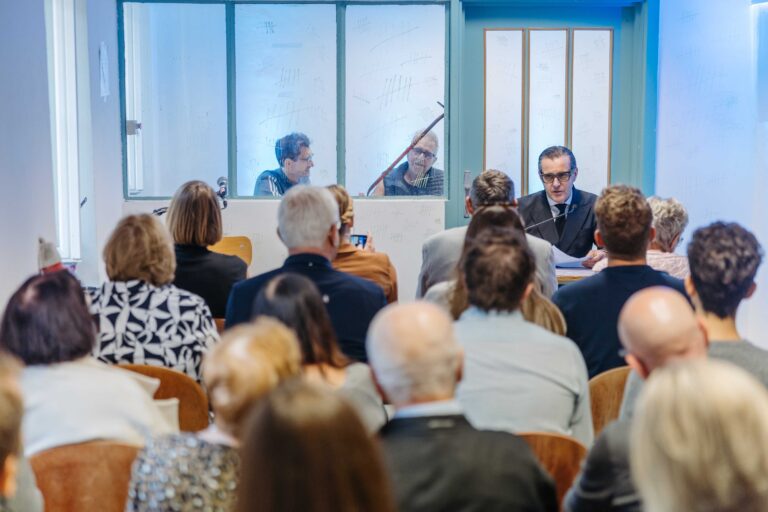
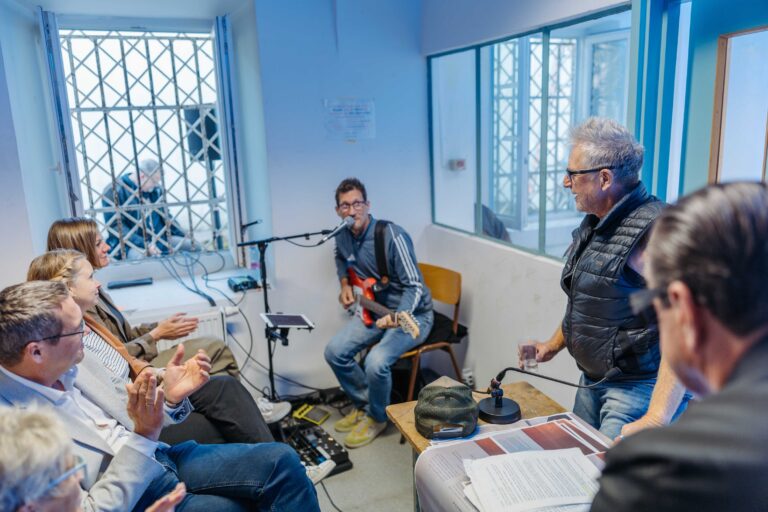
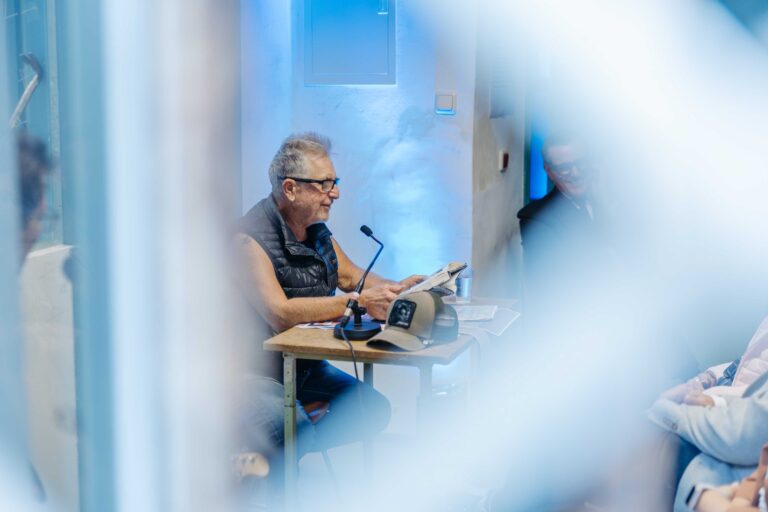
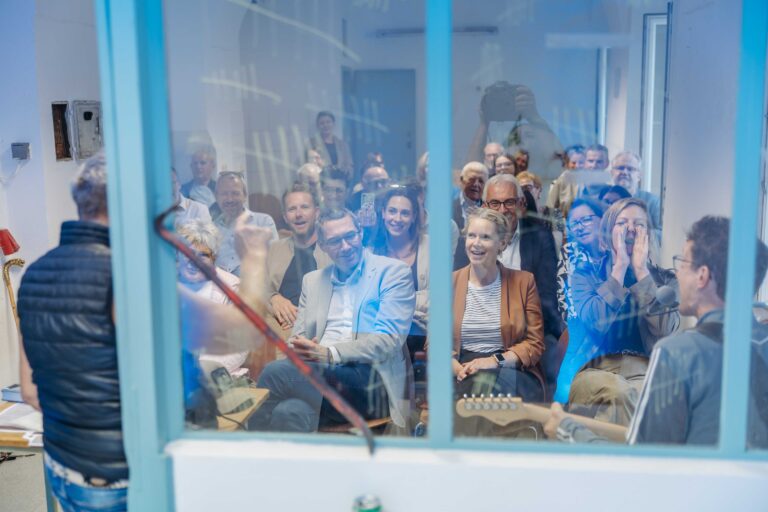
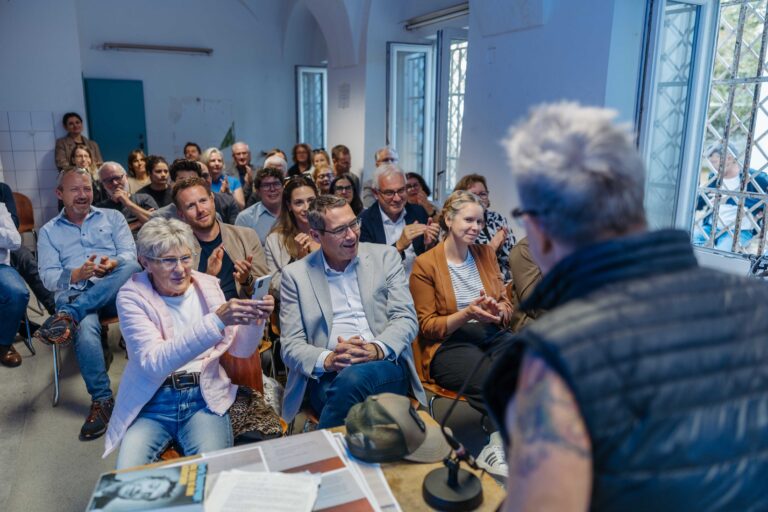
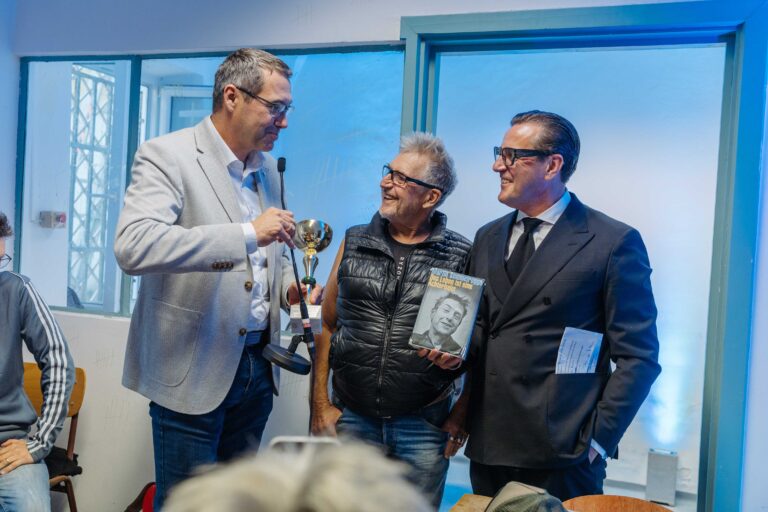
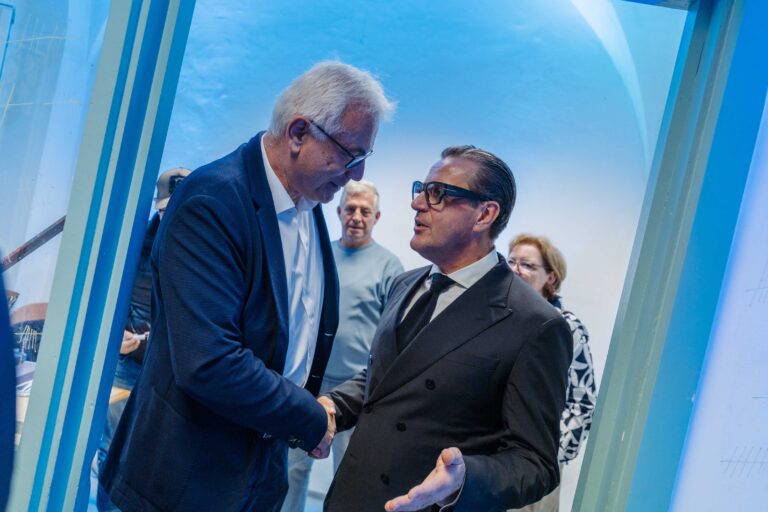
He was the best possible first guest one could imagine for the prison’s former visiting room. His reading was the best kind of publicity, because the cultural program “Visiting Hours” got a firsthand lesson here in what can happen when you let things be.
Just as Semmelrogge, throughout his life—which has now spanned 70 years—refused to be confined to any stereotypes or predefined patterns, so, too, did the space draw new energy from his presence—energy capable of giving rise to new life.
Transformation as the first step toward a new way of operating. Semmelrogge has slipped into the role of ambassador because he is the prototypical man who always puts all his eggs in one basket, has no Plan B, and might even fail to come up with a suitable variation on Plan A. Uncompromising in his actions, steadfast in his understanding of life—a life in which freedom is viewed and interpreted differently by him.
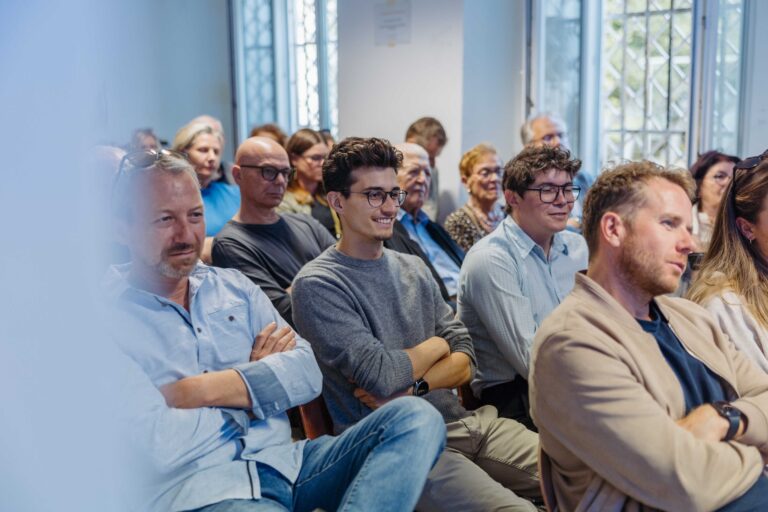
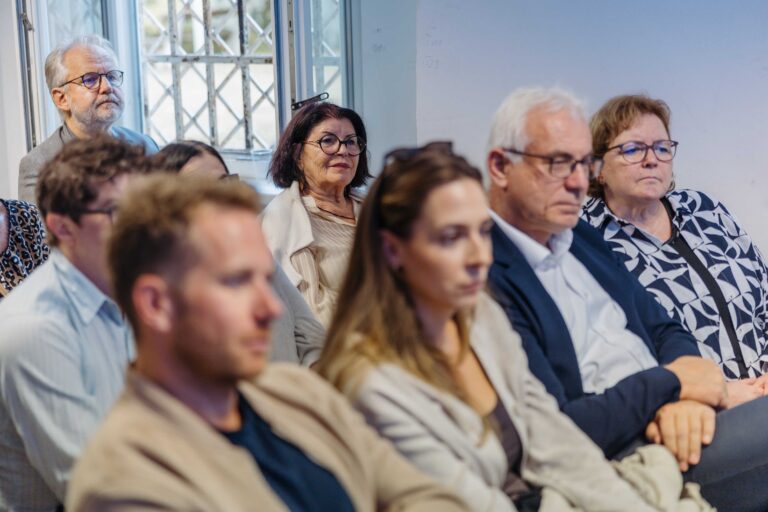
Life is a roller coaster. Forever a mystery to me. These are the titles of the books from which Semmelrogge read in Steyr. He was delighted by the visitors’ enthusiasm, and the venue fascinated him. “The atmosphere here is more beautiful than reading in a city hall.” These words should be taken as an invitation not to let this remain a one-time event.
On the path toward a new future for these old walls, intermediate steps are not only possible but also desirable. The old prison is the ideal place to experiment with enriching the building’s history with other stories as it moves toward a new future, allowing new energy—and, in the process, new formats—to emerge. A laboratory of ideas, a place that redefines what it means to come together in a way different from what has been the case in the building’s history on Berggasse. An intermediate step toward a new use that, for now, requires little more than a few simple adjustments and a few helping hands. And: the conviction that it all makes sense.
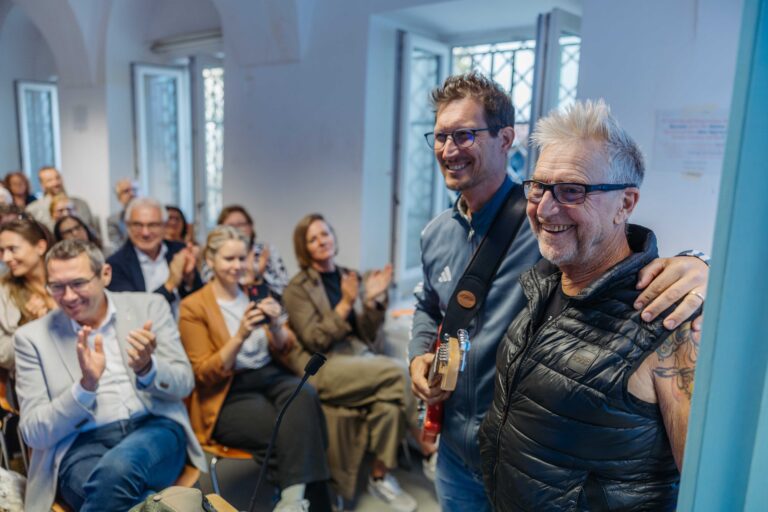
“Born To Be Wild,” Semmelrogge sang at the end of the reading, shortly before saying goodbye and leaving the prison visiting room—but not before sitting in the waiting room to talk about his definition of freedom. “I get in my car, where I’m alone, turn up my music—my tunes, rock, and a little metal—and that’s freedom: driving wherever I want to go right then.” It sounds like a scene from a classic road movie, but it’s not from any film—it’s from the life of a man who does what he enjoys. “I want to keep going. As long as I still have energy, I want to keep going.” He says this, walks over to his car, gets in, and lives his freedom.
The walls he left behind call out to him: “Come back—and bring your friends.” The old prison in Steyr is ready for new encounters of all kinds. The doors are open, and the opportunities for renewal are there. This is a freedom that begs to be embraced.
OÖN Coverage:
Semmelrogge showed what could be possible | Nachrichten.at
Project Horizont Steyr: Horizont Steyr – CMb.industries